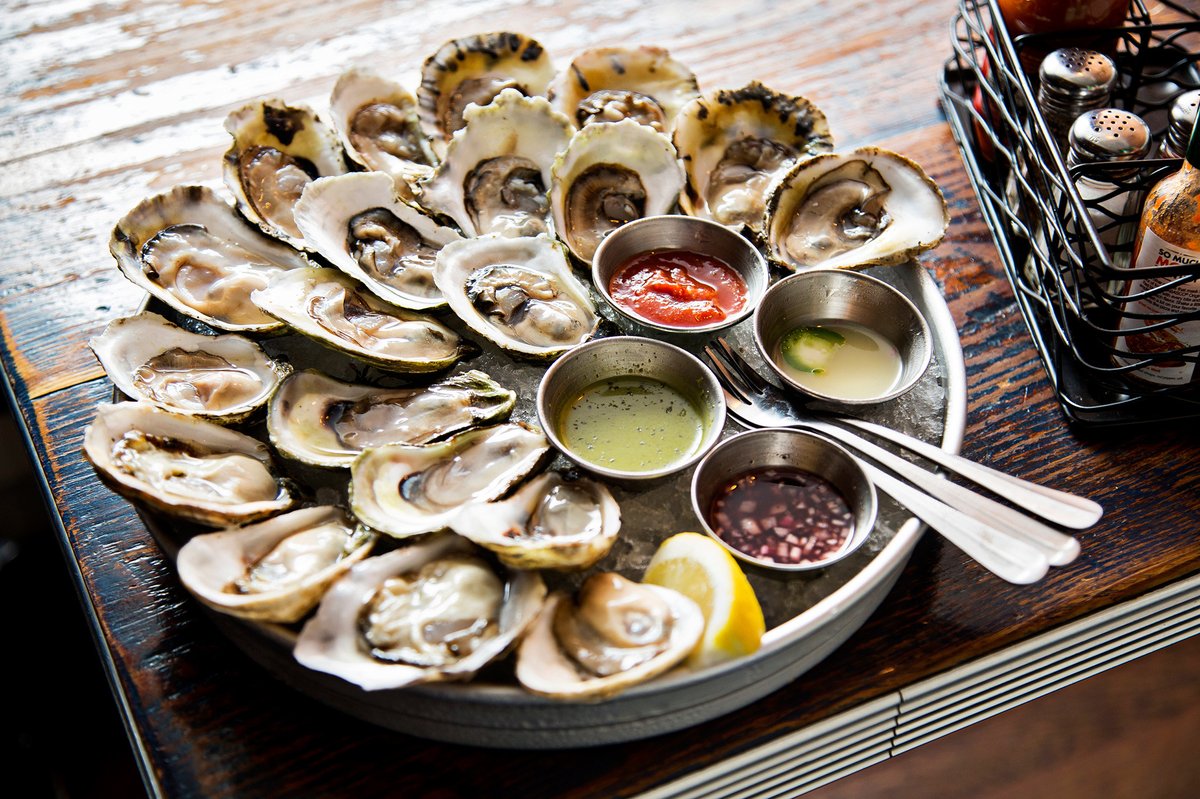
Few culinary experiences rival the sheer delight of perfectly prepared seafood. From the briny kiss of a freshly shucked oyster to the succulent richness of a grilled lobster tail, the world of marine cuisine offers an extraordinary spectrum of flavors and textures. But with so many options vying for your attention, how do you navigate the waters to find the true Top Seafood Restaurants — those gems that transform a meal into an unforgettable culinary journey?
This isn't just about finding a place that serves fish; it's about discovering establishments where passion meets perfection, where the catch is king, and every dish tells a story of the ocean. Whether you're a seasoned seafood connoisseur or just beginning to explore its depths, this guide will arm you with the insights and confidence to choose your next exceptional dining experience.
At a Glance: Your Quick Guide to Finding the Best
- Freshness Reigns Supreme: The absolute non-negotiable. Seek out restaurants committed to daily, sustainable sourcing.
- Diverse Culinary Approaches: From elegant fine dining to rustic crab shacks, a top seafood spot often excels in a particular style or offers a wide, well-executed range.
- Ambiance Enhances Experience: The setting matters, whether it's a bustling market feel or a serene waterfront view.
- Expert Knowledge: A great seafood restaurant has staff who can guide you through the menu, recommend pairings, and answer questions about origin and preparation.
- Local Lore and Hidden Gems: Don't overlook the smaller, community-loved establishments that often offer incredible, authentic flavors.
Beyond the Catch: What Truly Defines a Top Seafood Restaurant?
It’s easy to list places that serve seafood, but identifying the truly "top" tier requires a deeper dive. The best restaurants aren't just serving ingredients; they're crafting experiences. Here's what sets them apart:
The Uncompromised Commitment to Freshness
This is the cornerstone. A truly great seafood restaurant lives and breathes freshness. The difference between a dish prepared with seafood caught yesterday versus seafood caught last week is monumental. Look for transparency in sourcing – do they highlight local fishermen, sustainable practices, or daily specials based on the morning's catch? When considering a spot like Fremont's Red Lobster, their slogan "FRESH FISH LIVE LOBSTER" isn't just marketing; it's a promise that discerning diners expect to be upheld.
Culinary Vision and Expertise
Beyond fresh ingredients, the hand that prepares them makes all the difference. Top chefs understand how to coax the best flavors from each piece of seafood, whether it’s a simple grilling that highlights natural sweetness or a complex preparation that balances textures and spices. This mastery is evident in a perfectly seared scallop, a delicate ceviche, or a robust seafood stew. It's about knowing when to let the seafood shine and when to enhance it with complementary flavors.
Ambiance, Service, and the Overall Experience
A fantastic meal is more than just food on a plate. It’s the welcoming atmosphere, the knowledgeable server who can eloquently describe the nuances of a particular fish, and the seamless flow of your dining experience. Do you prefer a lively, family-friendly spot like some of Fremont's bustling Chinese seafood restaurants, or a more intimate setting for a special occasion? The best restaurants deliver an experience that matches their culinary prowess. From the crisp tablecloths to the perfect background music, every detail contributes.
A Focus on Sustainability
In today's world, a top seafood restaurant often extends its commitment beyond just taste to include responsible practices. They consider the health of our oceans, opting for sustainably sourced species and avoiding those that are overfished. This commitment not only protects marine ecosystems but also often results in higher quality, ethically caught seafood on your plate.
Exploring the Diverse World of Seafood Cuisine
The beauty of seafood lies in its incredible versatility, translating across countless culinary traditions. Identifying a "top" spot often means appreciating its mastery within a specific style.
Classic American & Grille House Favorites
These establishments often focus on the timeless appeal of grilled, broiled, or fried fish, succulent shrimp, and rich lobster. They might offer a wide range of preparation styles, often with sides that complement the main event. In this category, you'll find restaurants that excel at perfecting comfort food classics.
Consider Market Broiler in Fremont, which, while also a steakhouse, is known for its fresh fish and traditional preparations. They often highlight a variety of daily catches, cooked simply to let the seafood speak for itself. Red Lobster, a national chain, built its reputation on classic American seafood dishes like shrimp scampi, crab legs, and its signature Cheddar Bay Biscuits, making these accessible to a wide audience.
Asian-Inspired Seafood Sanctuaries
From the delicate artistry of sushi to the communal feasts of Chinese seafood banquets, Asian culinary traditions offer some of the most vibrant and diverse seafood experiences.
In Fremont, you have excellent examples like Sushi Harbor, where the focus is on exquisitely fresh raw fish, meticulously prepared into nigiri, sashimi, and rolls. For those craving the rich flavors of traditional Chinese seafood, establishments such as China Express, Li Zhou Seafood Restaurant (owned by Patty Lieu), and New Young Kang Seafood Restaurant (managed by Ling Hu) are local staples. These spots often feature live tanks, ensuring the freshest ingredients for dishes like steamed whole fish, stir-fried crab with ginger and scallions, or expansive seafood platters designed for sharing. Each restaurant brings its unique family recipes and cooking styles to the forefront, making them must-visits for specific regional Chinese seafood preparations.
Latin Flavors and Fresh Catches
The vibrant and zesty flavors of Latin American cuisine pair exceptionally well with seafood, creating dishes that are both refreshing and deeply satisfying. Think ceviche, seafood tacos, grilled whole fish, and spicy stews.
El Patio in Fremont, owned by Rosie Lopez, exemplifies this fusion, offering both Mexican and seafood dishes. Here, you might find shrimp cocktails bursting with lime and cilantro, fish tacos with perfectly fried or grilled fillets, or perhaps a hearty seafood soup that warms the soul. These restaurants often use fresh, local ingredients combined with traditional spices to create truly memorable meals.
The Hidden Gems & Local Favorites
Sometimes, the best seafood experiences aren't in the most obvious places. Local gems, often family-owned or long-standing community favorites, pour their heart into their food. They might not have the flashiest decor, but their commitment to quality and unique, often regional, preparations is undeniable.
Places like Grand Harbor Inc. and Little Mad Fish in Fremont represent these diverse offerings, sometimes blending categories or specializing in a particular niche that locals adore. Little Mad Fish, for instance, might offer a more modern take on Asian fusion seafood, while Grand Harbor Inc. could be a go-to for traditional, reliable seafood dishes. These are the places where you taste the dedication in every bite and often discover a new favorite dish.
Your Guide to Choosing the Perfect Seafood Spot
With so many excellent options, how do you pinpoint the ideal Top Seafood Restaurant for your next meal?
What Are You Craving? Get Specific.
Are you yearning for the briny freshness of raw oysters? Or perhaps the decadent richness of a whole steamed crab? Maybe it's the delicate flakiness of a pan-seared halibut you're after. Your specific craving should guide your search. If your heart is set on oysters, you'll want to seek out places renowned for their oyster bar, much like those you'd find among La Jollas best oyster restaurants where freshness and variety are paramount.
Consider the Occasion
A casual family dinner calls for a different vibe than a romantic anniversary celebration.
- Casual & Family-Friendly: Many Chinese seafood restaurants, like Li Zhou, or classic American spots like Red Lobster, offer a relaxed environment suitable for groups.
- Upscale & Special Occasion: Look for restaurants with a more refined atmosphere, perhaps a robust wine list, and a focus on presentation and innovative dishes. Market Broiler, with its steakhouse influence, might bridge this gap, offering a more polished experience.
- Quick & Delicious: Sushi bars or dedicated fish and chips spots are perfect for a speedy yet satisfying seafood fix.
Dive into the Menu (Online and Off)
Before you even step foot inside, scrutinize the menu. Look for:
- Seasonal Offerings: A sign of fresh ingredients and a chef who understands peak flavors.
- Origin of Fish: Do they mention where their fish comes from? This indicates transparency and a focus on quality.
- Variety of Preparations: Do they offer different cooking methods (grilled, baked, pan-seared, raw)? This suggests versatility.
- Specialties: What are they known for? What do other diners rave about?
Read Reviews (With a Grain of Salt)
Online reviews can be a useful starting point, but remember to read them critically. Look for recurring themes regarding freshness, service, and specific dishes. One negative review about a busy night might not tell the whole story, but consistent complaints about seafood quality should raise a red flag. Pay attention to reviews that mention specific dishes or the knowledgeability of the staff.
Don't Be Afraid to Ask Questions
Once you're at the restaurant, engage with your server. Ask about the daily specials, where the fish came from, and what they recommend. A truly great seafood restaurant will have staff who are passionate and knowledgeable about their offerings.
The Freshness Factor: Signs of Quality You Can't Ignore
When it comes to seafood, freshness isn't just about taste; it's about safety and the integrity of the ingredient. Here’s how to spot the difference:
The "Smell" Test
Good seafood should smell like the ocean, clean and briny, not overtly "fishy." A strong, unpleasant odor is a clear indicator of seafood that is past its prime. This applies whether you're at a raw bar or sitting down for a cooked meal.
Visual Cues for Whole Fish and Fillets
- Whole Fish: Look for clear, bright, bulging eyes (not sunken or cloudy). Gills should be red or pink, not brown or gray. The skin should be shiny and metallic-looking, with scales firmly attached.
- Fillets: Should be firm and moist, not dry, mushy, or discolored. A slight sheen indicates freshness.
- Shellfish (Clams, Mussels, Oysters): Live shellfish should be tightly closed or snap shut when tapped. If they are open and don't close, they are likely dead and should be avoided. Cooked shellfish that hasn't opened should also be avoided.
Ask About the Daily Catch and Specials
Top seafood restaurants pride themselves on serving what's fresh. Inquire about their daily specials or what came in that morning. This often points to the freshest, most seasonal options available. When you're looking for that perfect crab experience, knowing what was recently caught can make all the difference, leading you to an experience as satisfying as those at the Top Crab Shacks in La Jolla.
Beyond the Plate: Enhancing Your Seafood Experience
A great seafood meal is often more than just the main course. Thoughtful pairings and an understanding of preparation can elevate your dining experience.
Wine and Beverage Pairings
The classic pairing for most seafood is a crisp white wine – think Sauvignon Blanc, Pinot Grigio, or Chardonnay (especially oaked for richer fish). However, adventurous palates can explore light-bodied reds like Pinot Noir with fattier fish, or even craft beers that complement the flavors. Don't shy away from asking your server for recommendations; their expertise can introduce you to perfect harmonies you might not have considered.
Understanding Different Cooking Methods
- Grilled: Imparts a smoky flavor, often with a nice char. Excellent for firm-fleshed fish like swordfish or salmon.
- Pan-Seared: Creates a beautiful crispy skin and moist interior. Ideal for delicate fillets like snapper or cod.
- Steamed: A gentle method that preserves the natural moisture and delicate flavors of fish and shellfish. Often used for whole fish or crab.
- Fried: The classic, creating a crispy exterior. Best for white, flaky fish and calamari.
- Raw (Sushi, Sashimi, Ceviche): Requires the absolute freshest, highest-grade seafood. Highlights the pure texture and flavor of the fish.
How to Tackle Tricky Dishes
Don’t let a whole lobster or a plate of crab legs intimidate you. Most top seafood restaurants provide the necessary tools (crackers, picks) and will even offer a quick tutorial if you ask. Embracing the interactive nature of these dishes is part of the fun and flavor!
Common Seafood Dining Questions Answered
Is farmed fish always bad?
Not at all. While wild-caught is often romanticized, responsibly farmed fish can be a more sustainable and sometimes even higher-quality option. Look for certifications from organizations like the Aquaculture Stewardship Council (ASC) or Monterey Bay Aquarium's Seafood Watch to ensure you're choosing environmentally sound farmed seafood.
How do I know if the fish is truly fresh?
Beyond the visual and smell tests, reputable restaurants will often tell you the origin and catch date of their fish. Don't hesitate to ask your server for details. If they can confidently provide specific information, it's a good sign.
What are sustainable seafood options?
Sustainability refers to seafood caught or farmed in ways that ensure the long-term health of marine ecosystems. Websites and apps like Monterey Bay Aquarium's Seafood Watch program offer guides on what seafood is "Best Choice," "Good Alternative," or "Avoid." Top restaurants often highlight their commitment to these guidelines.
Are all "seafood restaurants" created equal?
Absolutely not. As our Fremont examples show, a "seafood restaurant" can range from a dedicated sushi bar to a Chinese banquet hall, a Mexican eatery with a seafood focus, or a classic American crab house. The key is understanding what type of seafood experience each restaurant excels at and aligning it with your preferences.
Making the Most of Your Culinary Journey
Embarking on a quest to discover the Top Seafood Restaurants is more than just finding a place to eat; it's an adventure in taste, culture, and appreciation for the ocean's bounty.
Embrace Regional Specialties
Every coastal region, and even inland cities with strong culinary scenes, will have its own unique seafood specialties. Whether it's a specific type of clam chowder, a local fish preparation, or a unique seafood stew, exploring these regional flavors offers a deeper connection to the place and its culinary heritage. Imagine finding a restaurant that perfectly captures the essence of its location, perhaps even with Seafood with La Jolla Cove views offering more than just a meal, but a full sensory experience.
Experiment with New Dishes
It's easy to stick to your favorites, but the world of seafood is vast and exciting. Challenge yourself to try a fish you've never tasted, a preparation you're unfamiliar with, or a raw bar item that pushes your comfort zone. This is how you discover new favorites and expand your culinary horizons.
Share Your Experience
Once you've found those exceptional seafood spots, share your discoveries! Recommend them to friends, leave thoughtful reviews, and support the establishments that are truly dedicated to quality, freshness, and an outstanding dining experience.
Your Next Great Catch Awaits
The journey to finding the Top Seafood Restaurants is a delicious one, full of discovery and unparalleled flavors. By focusing on freshness, culinary expertise, atmosphere, and a commitment to quality, you can navigate the vast ocean of dining options with confidence. From the comforting classics to adventurous new dishes, the perfect seafood experience is out there, waiting for you to cast your line and enjoy the catch. Go forth, explore, and savor every exquisite bite!