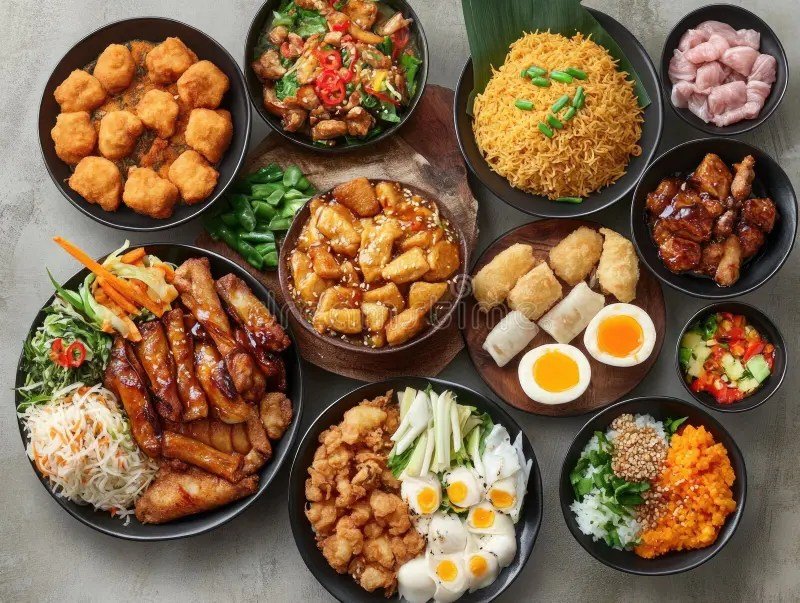
Food is more than just sustenance; it’s a universal language, a window into culture, history, and the very soul of a people. From the aromatic spices of Marrakech to the delicate artistry of Tokyo, the International Cuisine Highlights we adore reflect centuries of tradition, innovation, and a shared human desire for connection and comfort. Imagine embarking on a culinary journey, fork in hand, exploring the dishes that have captured hearts—and taste buds—across continents. This isn't just about eating; it's about experiencing the world, one delicious bite at a time.
You’re about to discover the foundational elements, signature flavors, and must-try dishes that define global gastronomy, offering both a comprehensive overview and practical tips for bringing these experiences home.
At a Glance: Your Global Culinary Passport
- Diverse Roots: International cuisines are shaped by geography, climate, and historical trade, leading to unique flavor profiles and cooking methods.
- Signature Ingredients: Each region boasts essential pantry staples, from Mediterranean olive oil and garlic to Asian soy sauce and ginger, or Latin American chilies and corn.
- Regional Stars: Explore beloved dishes like French Coq au Vin, Italian Pasta Carbonara, Japanese Sushi, Thai Pad Thai, Mexican Tacos, Moroccan Tagine, and more.
- Beyond the Plate: Understand the health benefits, modern fusion trends, and sustainable practices emerging in global cooking.
- Kitchen Confidence: Learn how to build an international pantry and adapt recipes to bring authentic flavors to your home kitchen.
What Makes International Cuisine So Irresistible? The Roots of Global Flavor
Before we dive into the delicious details, let's understand the fundamental forces that sculpt the world’s diverse culinary landscapes. It’s a fascinating interplay of environment, history, and human ingenuity.
- Geography and Climate: Think about it: coastal regions naturally develop seafood-rich cuisines, while mountainous areas lean into hearty, warming dishes. The climate dictates what can be grown locally, influencing everything from the staple grains to the available fruits and vegetables. This environmental palette is the first brushstroke on the culinary canvas.
- Historical Trade Routes: The ancient Silk Road, for instance, didn’t just move goods; it transported spices, ingredients, and cooking techniques across vast empires. Colonial periods also introduced new foods and blended existing traditions, leading to incredible culinary fusions we enjoy today. These routes are the arteries through which global flavors have flowed for centuries.
- Cultural Values: Food is deeply embedded in social structures. Whether it’s Spanish tapas encouraging communal dining, Italian family-style meals, or Japanese cuisine emphasizing aesthetic presentation and respect for ingredients, cultural values dictate how we eat, not just what we eat.
These factors combine to create distinct identities for each cuisine, building a foundation of essential ingredients. Mediterranean cooking thrives on olive oil, garlic, tomatoes, basil, and oregano. Asian cuisines often feature soy sauce, ginger, garlic, and fermented foods. Latin American flavors burst with chili peppers, lime, cilantro, and corn. Understanding these core elements is your first step to truly appreciating the world’s kitchens.
A Culinary Tour: Highlighting the World's Most Beloved Dishes
Ready to pack your (metaphorical) bags? Let’s embark on a journey through the globe’s most celebrated culinary regions, savoring their unique characteristics and iconic dishes.
European Elegance and Hearty Traditions
European cuisine is a tapestry of refined techniques, regional diversity, and a deep respect for quality ingredients.
France: Precision, Presentation, and Pastry Perfection
French cuisine is synonymous with culinary excellence. It's a school of thought built on precise techniques, high-quality ingredients, and elegant presentation.
- Signature Flavors: Butter, cream, fresh herbs, wine, and rich stocks form the backbone.
- Iconic Dishes:
- Coq au Vin: Chicken braised with wine, mushrooms, and bacon—a rustic yet refined classic.
- Bouillabaisse: A fragrant fish stew originating from Marseille, brimming with saffron and Mediterranean seafood.
- Ratatouille: A vibrant vegetable medley, slow-cooked to perfection.
- Techniques: Mastering the five "mother sauces," braising, confit, and creating delicate pastries like croissants and macarons are hallmarks.
Italy: Regional Riches and Family Feastings
Italian cooking is a celebration of simplicity, seasonal ingredients, and regional pride. North to South, the flavors shift dramatically.
- Signature Flavors: Northern Italy leans into butter, rice, and cheese, while the South champions tomatoes, olive oil, and seafood.
- Iconic Dishes:
- Pasta alla Carbonara: A Roman masterpiece with eggs, Pecorino Romano, guanciale (or pancetta), and black pepper—no cream in the authentic version!
- Risotto Milanese: Creamy rice infused with saffron, a classic from Northern Italy.
- Sicilian Caponata: A sweet and sour eggplant relish, perfect as an appetizer.
- Pasta e Fagioli Soup: A comforting, hearty bean and pasta soup that embodies Italian home cooking.
- Beyond the classics, you’ll find comforting dishes like Authentic Italian in La Jolla offering everything from handmade pasta to robust risottos.
- Techniques: Emphasizes fresh pasta making, slow-simmering sauces, and grilling simple ingredients to highlight their natural flavors.
A note on Italian-American cuisine: While not strictly Italian, dishes like Sausage & Broccoli Rabe Pasta showcase the evolution of Italian flavors through immigration, creating new comforting classics with bold, rich profiles.
Spain: Tapas, Paella, and Bold Flavors
Spanish cuisine is vibrant and social, famous for its tapas culture that encourages sharing and conversation.
- Signature Flavors: Saffron, paprika, sherry vinegar, and olive oil are key, often paired with cured meats like Jamón Ibérico.
- Iconic Dishes:
- Paella: A saffron-infused rice dish, often cooked with seafood, chicken, or rabbit, traditionally over an open fire.
- Gazpacho: A refreshing cold tomato and vegetable soup, perfect for hot Spanish summers.
- Jamón Ibérico: Exquisite cured ham, a culinary treasure.
- Techniques: Grilling over wood fires, slow-cooking stews, and the art of perfecting small, flavorful bites.
Germany: Hearty Comfort and Unique Dumplings
German cuisine is often associated with robust, comforting meals, perfect for colder climates.
- Signature Flavors: Meats (pork, beef), potatoes, cabbage, and rich sauces, often seasoned with mustard, caraway, and bay leaf.
- Iconic Dishes:
- Spaetzle: A unique, soft, and chewy egg noodle dumpling, often served as a side dish with gravies or cheese.
- German Kohlrabi: A traditional vegetable preparation that highlights the mild, crisp qualities of this cruciferous vegetable, often served with butter or a light sauce.
- Techniques: Braising, roasting, and pickling are common, creating deep flavors and preserving ingredients.
Greece: Mediterranean Goodness and Ancient Flavors
Greek cuisine is a cornerstone of the Mediterranean diet, emphasizing fresh, healthy ingredients and aromatic herbs.
- Signature Flavors: Olive oil, lemon, garlic, oregano, mint, and feta cheese. Lamb and seafood are prominent.
- Iconic Dishes:
- Greek Meatballs (Keftedes): Flavorful, aromatic meatballs often seasoned with mint and oregano, served with tzatziki.
- Crab Spanakopita: A delicious seafood twist on the classic spinach pie, where succulent crab meat adds a layer of richness to the flaky phyllo and savory filling.
- Techniques: Grilling, slow roasting, and the art of balancing fresh herbs and spices.
Asian Harmony and Explosive Flavors
Asian cuisines are characterized by balance, harmony, and a profound respect for ingredients, often combining sweet, sour, salty, and spicy notes in exquisite ways.
China: Eight Regional Wonders and "Wok Hei"
Chinese cuisine is incredibly diverse, boasting eight major regional styles, each with its own character.
- Signature Flavors: Soy sauce, ginger, garlic, star anise, Sichuan peppercorns, and rice vinegar.
- Iconic Dishes:
- Cantonese Dim Sum: Delicate steamed dumplings and buns, representing fresh and subtle flavors.
- Sichuan Mapo Tofu: Fiery and numbing, showcasing the bold spices of Sichuan cuisine.
- Peking Duck: Crispy-skinned roasted duck, a Northern Chinese delicacy.
- Techniques: Stir-frying (achieving "wok hei" for a smoky aroma), steaming, braising, and balancing contrasting textures and colors.
Japan: Seasonality, Simplicity, and Umami
Japanese cuisine is an art form, focused on seasonality, simplicity, and highlighting the natural flavors of ingredients, often embracing "umami."
- Signature Flavors: Soy sauce, miso, dashi (seaweed and fish stock), mirin (sweet rice wine), and subtle fresh ingredients.
- Iconic Dishes:
- Sushi & Sashimi: Raw fish and vinegared rice, a testament to freshness and masterful knife skills. Finding Best Sushi in La Jolla Village is often a quest for this delicate perfection.
- Tempura: Lightly battered and fried seafood and vegetables, showcasing delicate crispiness.
- Miso Soup: A comforting broth made with miso paste and dashi, often served with tofu and seaweed.
- Techniques: Fermentation, grilling (robatayaki), raw preparation, and an unparalleled emphasis on aesthetic presentation.
Thailand: A Symphony of Sweet, Sour, Salty, and Spicy
Thai cuisine is renowned for its masterful balance of fundamental tastes, creating incredibly complex and satisfying dishes.
- Signature Flavors: Lemongrass, galangal, Thai basil, chili peppers, coconut milk, fish sauce, and tamarind.
- Iconic Dishes:
- Tom Yum Soup: A hot and sour shrimp soup, vibrant and aromatic.
- Pad Thai: Stir-fried rice noodles with shrimp or chicken, peanuts, bean sprouts, and a signature sauce.
- Green Curry: A rich and spicy coconut milk curry with chicken or vegetables, packed with fresh herbs.
- Tom Kha Soup: A creamy, aromatic coconut soup that offers a more mellow balance of sweet, sour, and spicy notes than Tom Yum, with galangal and mushrooms.
- Techniques: Wok cooking, grilling, and precise balancing of fresh herbs and spices to achieve complex flavor profiles.
Korea: Bold Barbecue and Fermented Delights
Korean cuisine is characterized by its bold flavors, extensive use of fermented ingredients like kimchi, and the communal experience of Korean barbecue.
- Signature Flavors: Gochujang (chili paste), gochugaru (chili powder), garlic, ginger, soy sauce, sesame oil, and fermented kimchi.
- Iconic Dishes:
- Kimchi: Fermented spicy cabbage, a staple side dish present at almost every meal.
- Bibimbap: A colorful bowl of rice topped with various seasoned vegetables, meat, and a fried egg, often mixed with gochujang.
- Korean Galbi Ribs: Beautifully marinated and grilled short ribs, embodying the perfect balance of sweet and savory notes that define Korean barbecue.
- Techniques: Grilling meats at the table, extensive use of pickling and fermentation, and hearty stews.
Middle Eastern & Mediterranean: Aromatic Spices and Communal Feasts
These cuisines share a love for fresh vegetables, grains, legumes, and aromatic spices, often enjoyed in a mezze-style (small plates) setting.
Lebanon and the Levant: Freshness, Mezze, and Healthy Staples
Levantine cuisine emphasizes healthy ingredients and fresh flavors, making it incredibly appealing.
- Signature Flavors: Olive oil, lemon, garlic, fresh parsley, mint, and spice blends like za'atar and baharat.
- Iconic Dishes:
- Hummus: Creamy chickpea dip, a global favorite.
- Tabbouleh: A refreshing salad of finely chopped parsley, tomatoes, bulgur, mint, and lemon juice.
- Kibbeh: Spiced ground meat (often lamb) mixed with bulgur, either fried or baked.
- Tabouli Salad with Smoked Tomatoes: A refreshing take on the classic tabbouleh, where smoked tomatoes add an intriguing depth to the bright, fresh flavors.
- Pesto Orzo Salad: While not exclusively Middle Eastern, this Mediterranean-inspired salad combines orzo pasta, vibrant pesto, and fresh vegetables, fitting the region's love for light, flavorful grain-based dishes.
- Techniques: Grilling, baking, and the art of crafting a varied and appealing mezze spread.
Turkey: Ottoman Legacies and Subtle Spicing
Turkish cuisine is a magnificent blend of European and Asian influences, a legacy of the vast Ottoman Empire.
- Signature Flavors: Lamb, yogurt, bulgur wheat, nuts, dried fruits, with subtle spices like sumac, Aleppo pepper, and Turkish oregano.
- Iconic Dishes:
- Kebabs: Skewered and grilled meats, a national specialty with countless variations.
- Dolmas: Stuffed grape leaves, often with rice and herbs.
- Baklava: Layers of phyllo pastry, nuts, and syrup, a sweet, rich dessert.
- Techniques: Grilling, baking, and slow-cooking stews (güveç).
Latin American Vibrancy and Fusion Innovation
Latin American cuisines are dynamic, bursting with color and flavor, blending indigenous ingredients with European and other global influences.
Mexico: Regional Diversity and Chili Pepper Mastery
Mexican cuisine is globally celebrated for its incredible regional diversity and its ingenious use of corn and chili peppers.
- Signature Flavors: Corn, beans, squash, an astonishing array of chili peppers, lime, cilantro, and often chocolate in savory dishes like mole.
- Iconic Dishes:
- Tacos: Corn or wheat tortillas filled with endless combinations of meats, vegetables, and salsas.
- Pozole: A hearty hominy stew, often with pork or chicken.
- Chiles Rellenos: Poblano peppers stuffed with cheese or meat, then battered and fried.
- Tacos Dorados: A classic favorite, these crispy, golden-fried tacos offer a perfect balance of texture and a rich filling.
- Mexican Cauliflower Rice: A bold and flavorful take on a classic side, offering a vibrant blend of textures and seasoning, showcasing adaptability.
- Whether it's a quick street taco or a gourmet meal, finding Best Mexican Patios in La Jolla lets you experience this vibrant culture al fresco.
- Techniques: Mastering nixtamalization (for corn), slow-braising meats, char-grilling, and complex sauce making (like moles).
Peru: Indigenous Roots and Global Fusion
Peruvian cuisine has emerged as a global powerhouse, celebrated for its unique fusion of indigenous ingredients with Japanese, Chinese, and Spanish influences.
- Signature Flavors: Quinoa, purple potatoes, aji amarillo peppers, corn, and fresh seafood.
- Iconic Dishes:
- Ceviche: Fresh raw fish cured in citrus juices (tiger's milk), often with chili peppers and red onion.
- Lomo Saltado: A stir-fry combining marinated beef, onions, tomatoes, and French fries, showcasing Chinese-Peruvian (Chifa) influence.
- Anticuchos: Skewered and grilled marinated beef heart, a popular street food.
- Techniques: Marinading (ceviche), stir-frying (Chifa), and grilling over open flames.
African Culinary Traditions: Spice Mastery and Hearty Foundations
African cuisines are incredibly varied, known for their masterful use of spices, hearty stews, and resourceful cooking methods.
North Africa (Morocco & Tunisia): Tagines, Couscous, and Aromatic Blends
North African cooking is a sensory delight, employing complex spice blends and slow-cooking methods.
- Signature Flavors: Preserved lemons, olives, dried fruits, argan oil, and iconic spice blends like Ras el Hanout (Morocco) and harissa (Tunisia). Lamb, chicken, and vegetables are common.
- Iconic Dishes:
- Tagine: A slow-cooked stew named after the conical clay pot it’s prepared in, often featuring savory and sweet elements.
- Couscous: Steamed semolina grains, typically served with a vegetable and meat stew.
- Harira Soup: A hearty lentil and chickpea soup, especially popular during Ramadan.
- Techniques: Slow-cooking in tagines, steaming couscous, and the art of balancing sweet and savory spices.
West Africa: One-Pot Wonders and Flavorful Staples
West African cuisine has profoundly influenced diasporic cooking, especially in the Americas, with its emphasis on nutrient-rich staples and flavorful one-pot meals.
- Signature Flavors: Yams, plantains, peanuts, leafy greens, palm oil, and chili peppers.
- Iconic Dishes:
- Jollof Rice: A vibrant one-pot rice dish cooked with tomatoes, peppers, onions, and various spices, often served with meat or fish.
- Various Stews: Hearty stews made with peanuts, egusi (melon seeds), or leafy greens, often served with fufu (a dough-like staple).
- Techniques: One-pot cooking, fermentation, and utilizing rich, savory sauces.
North America: Classic Comfort and Innovative Twists
While often considered "New World" cuisine, North America has its own distinct culinary highlights, some born from unique regional histories and others from innovative fusions.
Canada: A Unique Flavor Profile
Canadian cuisine, often overlooked, has distinct regional favorites and ingredients.
- Signature Flavors: Maple syrup, wild game, berries, and a strong French influence in Quebec.
- Iconic Dishes:
- Poutine: Fries topped with cheese curds and gravy, a beloved Québécois dish.
- Peameal Bacon: A Canadian classic, this unique preparation involves lean pork loin rolled in cornmeal, providing a distinctive texture and rich, juicy flavor. It's often served on a bun.
- Back Bacon: Distinct from traditional streaky bacon, this lean yet rich cut of pork offers a deep flavor and versatile texture, suitable for breakfast or sandwiches.
American Innovations and Global Blends
American cuisine is a melting pot, and its innovations often reflect influences from around the globe, creating exciting new dishes.
- Parmesan Garlic Corn Ribs: An innovative, easy-to-eat take on corn on the cob, where corn is cut into "ribs" and roasted with bold parmesan and garlic flavors.
- Grilled French Onion Pork Burgers: Combining the deep, rich flavors of French onion soup (caramelized onions, Gruyère) within a juicy pork patty, showcasing how classic international flavors inspire new creations.
- Turkey Stuffed Shells with Pesto: A comforting pasta dish that brings together rich, creamy layers with a flavorful turkey filling and the aromatic freshness of pesto, creating a unique texture and taste profile.
- Ukrainian Potatoes: A hearty and comforting dish, often seasoned with garlic and dill, reflecting Eastern European staples and flavor preferences.
Beyond the Plate: Health, Fusion, and Sustainable Eating
Exploring international cuisine offers more than just tantalizing flavors; it opens doors to healthier living and a deeper understanding of food’s evolving role.
The Health Benefits of Global Diets
Many traditional international cuisines are inherently healthy, offering diverse nutritional benefits:
- Mediterranean Diet: Rich in olive oil, fresh vegetables, legumes, and lean proteins, it's celebrated for its heart-healthy properties and longevity benefits.
- Asian Cuisines: Often emphasizing vegetables, fermented foods, and lean proteins, many Asian diets contribute to digestive health and overall well-being. Ingredients like ginger and turmeric are known for their anti-inflammatory properties, while garlic is a common immune booster across many culinary traditions.
The Rise of Fusion Cooking
Modern culinary trends often embrace "fusion cooking," where chefs creatively blend techniques and ingredients from different cultures. This innovation pushes boundaries and introduces exciting new flavor combinations.
- Examples:
- Korean-Mexican Tacos: Spicy bulgogi or kimchi in a tortilla.
- Japanese-Peruvian Nikkei: Like Peruvian ceviche with Japanese influences (e.g., using yuzu).
- Indo-Chinese Dishes: Blending Indian spices with Chinese stir-fry techniques.
These fusions are a testament to food's adaptability and our continuous quest for novel tastes.
Sustainable International Cooking
As global awareness grows, so does the emphasis on sustainability in cooking. This means:
- Local Sourcing: Prioritizing ingredients grown or produced close to home to reduce carbon footprint.
- Seasonal Eating: Enjoying ingredients when they are naturally abundant, ensuring freshness and flavor while reducing the need for long-distance transport.
- Reduced Waste: Creative use of ingredients, nose-to-tail eating, and minimizing food waste are practices rooted in many traditional cuisines and are increasingly vital today.
By embracing these principles, we can enjoy international flavors responsibly and respectfully.
Bringing the World to Your Kitchen: A Practical Guide
Feeling inspired to recreate some of these International Cuisine Highlights at home? You absolutely can! Here's how to get started without needing a professional kitchen or a passport.
Stocking Your Global Pantry
You don't need every ingredient from every continent overnight. Start with foundational elements from cuisines that pique your interest:
- Mediterranean Essentials: Good quality extra virgin olive oil, garlic, dried oregano, red pepper flakes, canned diced tomatoes.
- Asian Staples: Soy sauce (light and dark), rice vinegar, sesame oil, fresh ginger, garlic, chili garlic sauce, dried noodles.
- Latin American Must-Haves: Dried or canned beans (black, pinto), corn tortillas, a selection of dried chili powders (e.g., ancho, chipotle), cumin, cilantro.
- General Spices: Cumin, paprika (sweet and smoked), turmeric, coriander, cinnamon, black peppercorns.
Build gradually. As you try new recipes, you’ll naturally acquire more specific spices and condiments.
Mastering Essential Techniques (No Special Equipment Needed)
While specific equipment like woks, tagines, or comals can enhance authenticity, you can adapt many traditional techniques with standard kitchen tools:
- Braising: A Dutch oven or heavy pot works perfectly for French Coq au Vin or North African Tagines.
- Stir-Frying: A large skillet or cast-iron pan can replicate the quick, high-heat cooking of many Asian dishes.
- Grilling: Your backyard grill or a cast-iron grill pan can bring the smoky flavors of Spanish paella or Turkish kebabs to life.
- Raw Preparation: A sharp knife and fresh ingredients are all you need for Japanese sushi or Peruvian ceviche.
The key is to understand the principle behind the technique and adapt it to what you have.
The Art of Adaptation: Staying True to Flavor
Don't be afraid to adapt recipes to your available ingredients and preferences, but always strive to preserve the authentic flavor profile.
- Understand Core Flavors: What makes a dish that dish? For Pad Thai, it's the balance of sweet, sour, salty. For a French sauce, it's the richness and depth. Identify these crucial elements.
- Ingredient Substitutions: If a specific chili isn't available, find one with a similar heat level and flavor profile. Can't find fresh lemongrass? Lemongrass paste might work in a pinch.
- Embrace Imperfection: Your first attempt won't be perfect, and that's part of the fun! Each culinary adventure is a learning experience.
Your Next Culinary Adventure Awaits
The world of international cuisine is vast, vibrant, and endlessly fascinating. From the comforting familiarity of Italian pasta to the exotic allure of a Moroccan tagine, these International Cuisine Highlights are more than just recipes; they are invitations to explore, learn, and connect.
So, take that first step. Pick a dish from a culture you've always wanted to explore. Gather your ingredients, put on some music that evokes the region, and let your taste buds lead the way. You're not just cooking; you're embarking on a delicious journey that nourishes both body and soul. Happy cooking, and bon appétit!